Choosing the best laptop for architecture students is crucial for academic success, as your device will be your primary tool for design, rendering, and complex modeling. You’ll be working with demanding software like AutoCAD, Revit, SketchUp, Rhino, and Adobe Creative Suite, which require significant processing power, ample RAM, and dedicated graphics. A good laptop not only helps you complete assignments efficiently but also supports your creative process, allowing you to visualize and present your designs with clarity. It’s an investment in your education and future career, so picking the right one means balancing performance, portability, and budget to find a machine that can handle everything your architectural studies throw at it.
Quick Product Comparison
Our Top 6 Best Laptops For Architecture Students Reviews – Expert Tested & Recommended
1. 14-inch Windows 11 Laptop for Architecture Students: Pentium, 32GB RAM, 1TB SSD.
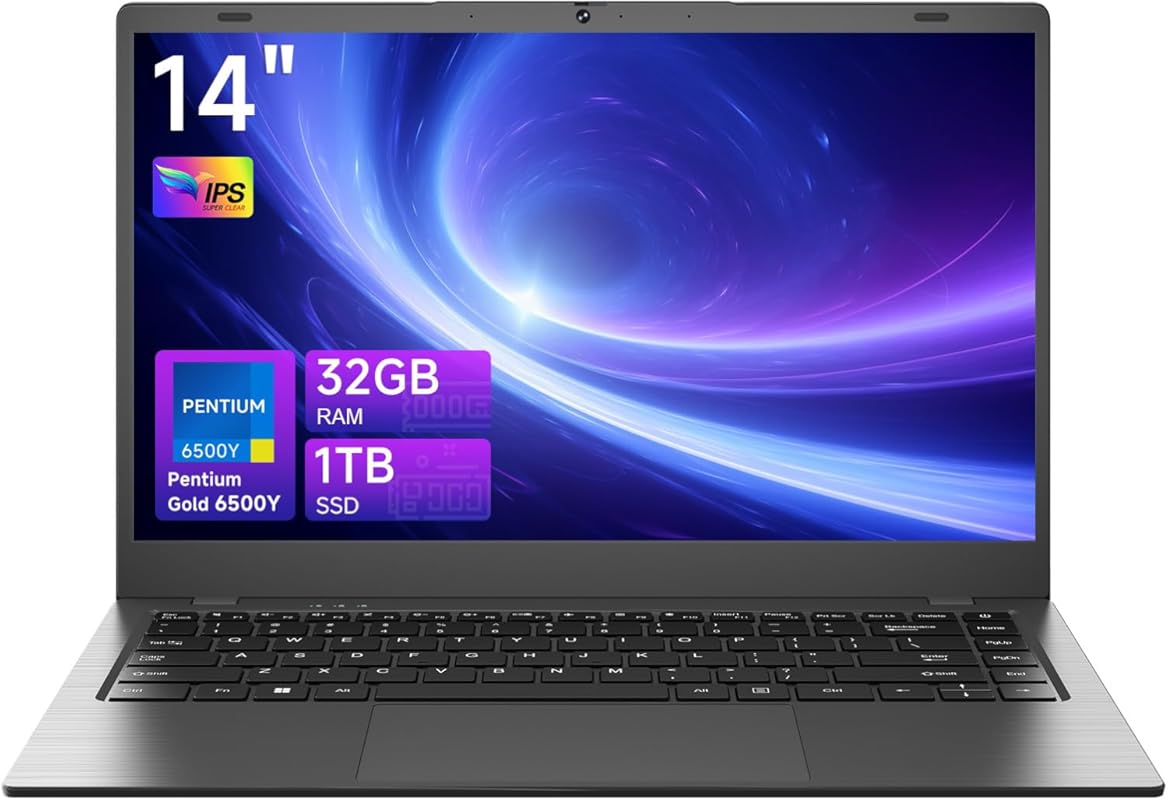
This 14-inch Windows 11 laptop offers a surprising combination of high RAM and storage for its price point, making it a potentially strong contender for architecture students on a budget. With a Pentium processor and a clear FHD display, it aims to provide a reliable platform for general academic and some design tasks. Its robust memory and storage configuration is especially appealing for handling large project files.
Key Features That Stand Out
- ✓ Powerful Performance: Equipped with a Gold Pentium Processor with 4 threads and a peak frequency up to 3.40 GHz.
- ✓ Ample Storage Space: Features an impressive 32GB RAM and a spacious 1TB SSD M.2 2280 for all your files.
- ✓ High Resolution Screen: A 14-inch IPS FHD display with 1920*1080 resolution for vivid and clear visuals.
- ✓ Windows 11: Comes with Windows 11 pre-installed, ensuring compatibility with most modern software.
Why We Recommend It
We recommend this laptop as a fantastic budget-friendly option for architecture students, especially those in their early years. While the Pentium processor isn’t top-tier for heavy rendering, the generous 32GB RAM and 1TB SSD are standout features, providing immense value for multitasking and storing large design files. This setup will comfortably handle CAD drafting, moderate 3D modeling, and everyday academic tasks without feeling sluggish.
Best For
This laptop is best for architecture students on a tight budget who need significant RAM and storage for handling design projects and multiple applications without breaking the bank.
Pros and Cons
Pros:
- Exceptional 32GB RAM and 1TB SSD for its price, ideal for managing large project files.
- Crisp 14-inch 1920×1080 IPS FHD display offers good visual clarity.
- Compact and lightweight design, making it portable for campus life.
- Comes with Windows 11 and an “undocumented” version of Office, adding value.
Cons:
- Pentium processor, while decent, may struggle with intensive 3D rendering or complex simulations.
- Brand might be less recognized, potentially raising concerns about long-term support or build quality compared to major brands.
- Battery life might not be as robust as premium laptops.
Customer Reviews
Customer Review: Don’t know what more you could ask from a $300 laptop. Light, fast, powerful good build quality. The bundled AC charger is light and small, but the tiny Anker block I use for my Pixel phone works just as well. There’s even an undocumented version of Windows office bundled with the laptop. To be hon
Customer Review: Don’t know what more you could ask from a $300 laptop. Light, fast, powerful good build quality. The bundled AC charger is light and small, but the tiny Anker block I use for my Pixel phone works just as well. There’s even an undocumented version of Windows office bundled with the laptop. To be hon
2. ASUS Vivobook Go 15.6″ Laptop for Architecture Students: Ryzen 3, 8GB RAM, 128GB SSD.
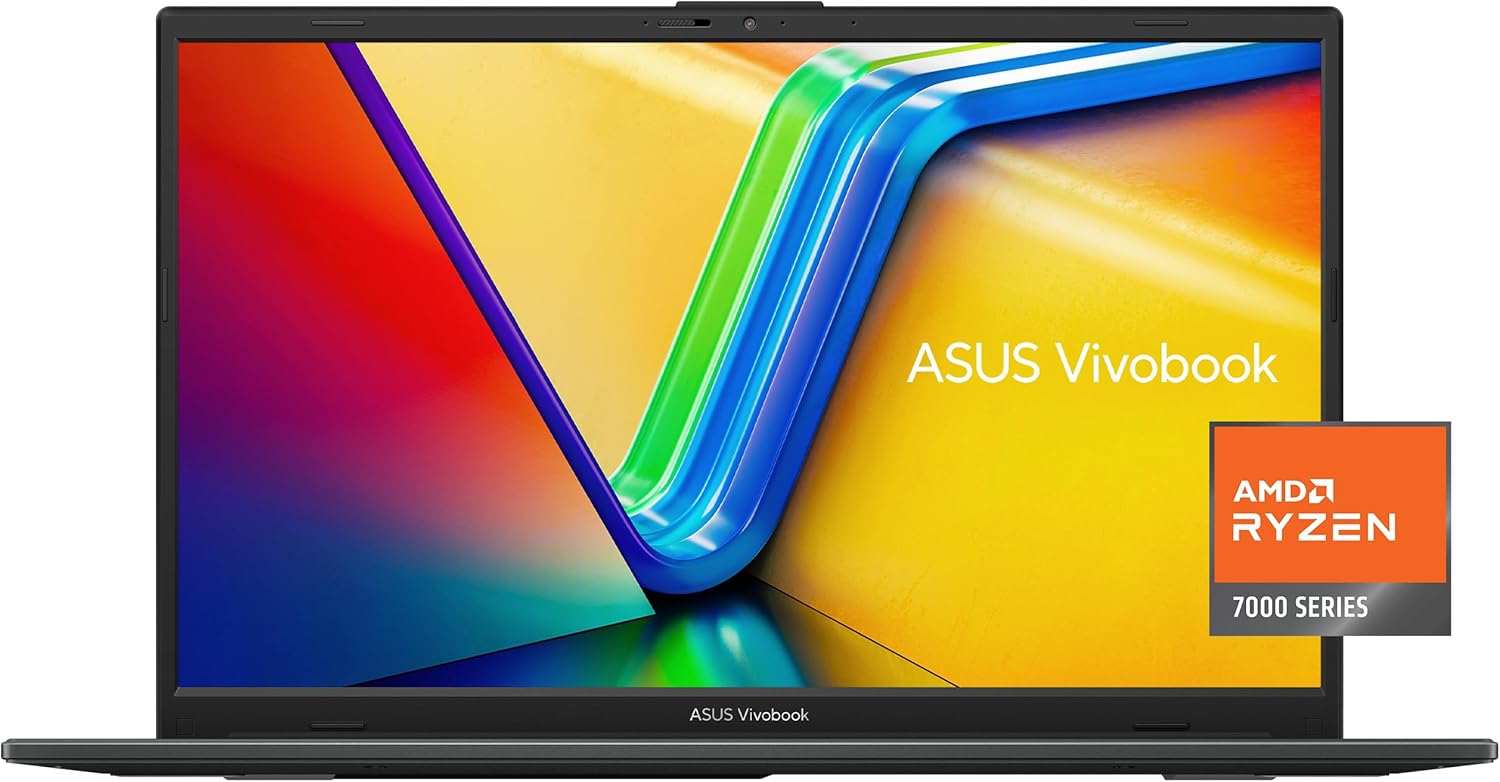
The ASUS Vivobook Go 15.6″ offers a sleek design and modern components for students seeking a reliable machine. Powered by an AMD Ryzen 3 processor and 8GB of DDR5 RAM, it’s built for efficient multitasking and responsive performance. Its NanoEdge display provides an immersive viewing experience, making it suitable for both coursework and entertainment.
Key Features That Stand Out
- ✓ Vibrant NanoEdge Display: A 15.6” FHD display with super slim bezels, 60Hz refresh rate, and 250-nit brightness.
- ✓ Efficient AMD Ryzen 3 Processor: Features the AMD Ryzen 3 7320U, optimized for thin laptops, offering solid performance for daily tasks.
- ✓ Fast Memory & Storage: Equipped with 8GB DDR5 RAM for smooth multitasking and a 128GB SSD for quick boot times.
- ✓ Portable Design: Lightweight and slim, making it easy to carry around campus or between studios.
Why We Recommend It
We believe the ASUS Vivobook Go 15.6″ with Ryzen 3 is a great choice for architecture students needing a balance of portability and performance for general academic use. While the 128GB SSD might require external storage for extensive projects, its modern DDR5 RAM and efficient processor ensure a smooth experience for drafting software and everyday productivity. It’s a capable entry-level option among laptops for architecture students.
Best For
This laptop is best for entry-level architecture students or those on a budget who primarily need a laptop for drafting, light 3D modeling, and general academic tasks, prioritizing portability and quick responsiveness.
Pros and Cons
Pros:
- Modern AMD Ryzen 3 7320U processor provides good efficiency and performance for its class.
- Fast 8GB DDR5 RAM ensures smooth operation across multiple applications.
- The 15.6″ NanoEdge FHD display offers an immersive visual experience with slim bezels.
- Lightweight and slim form factor, ideal for students on the go.
Cons:
- 128GB SSD storage may prove insufficient for extensive architecture project files without external drives.
- The Ryzen 3 might struggle with very complex, high-resolution rendering tasks compared to more powerful CPUs.
- 45% NTSC color gamut on the display is not ideal for color-critical design work.
Customer Reviews
Customer Review: The ASUS Vivobook Go delivers solid performance with the Ryzen 3 processor and 8GB of DDR5 RAM. It boots quickly thanks to the 128GB SSD, and the FHD display looks sharp and clear. It’s lightweight, slim, and comfortable to use for work or school. The fast charging battery is a big plus, and the mil
Customer Review: This laptop replaced a 14-year-old laptop. This is a low-cost, no-frills laptop and not very powerful, but it will do the job I need it for. I have a very powerful computer at home. But if I am away from home, this laptop will work for me. The setup right out of the box was fast and painless. Very g
3. ASUS Vivobook Go 15.6″ Laptop for Architecture Students: Ryzen 5, 8GB RAM, 512GB SSD.
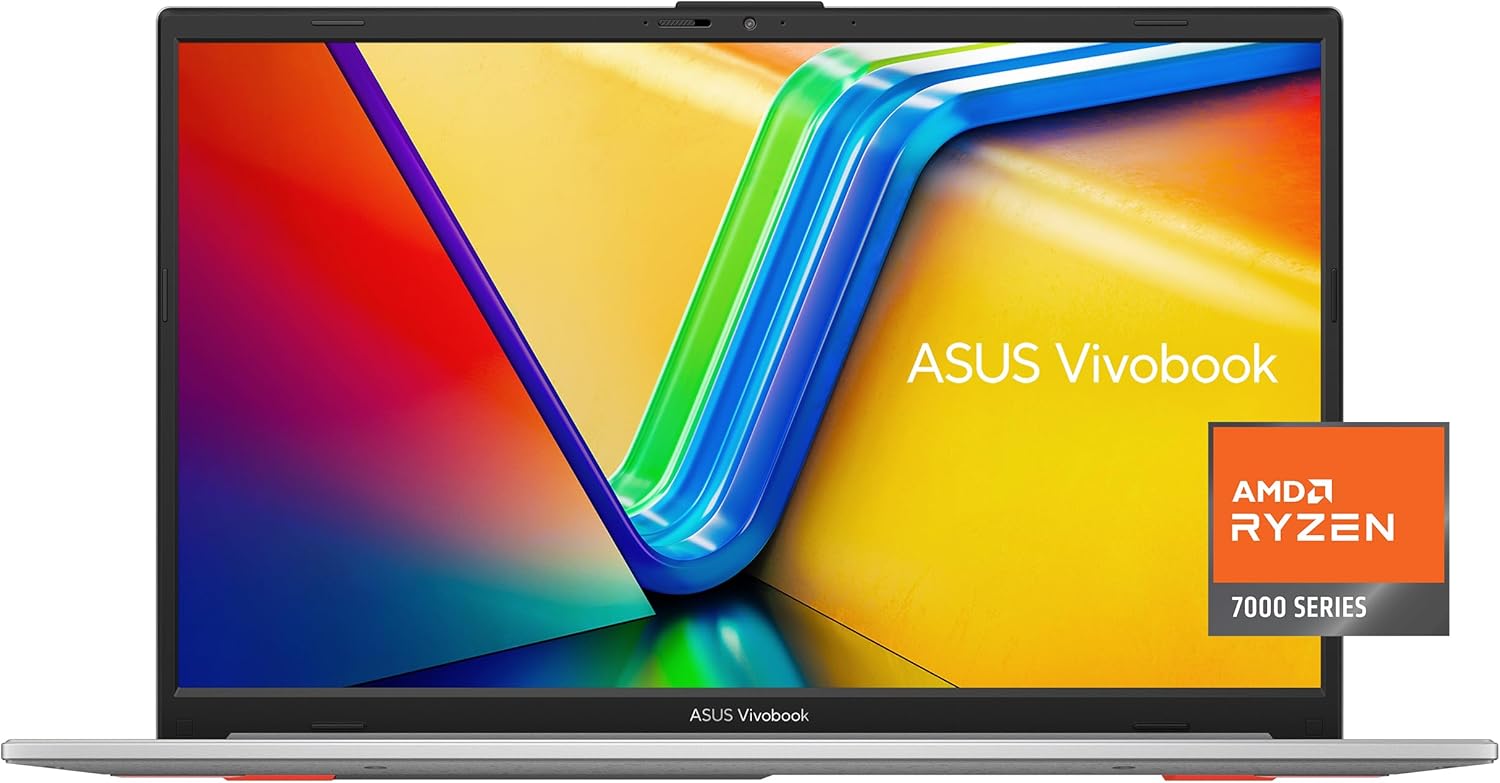
This iteration of the ASUS Vivobook Go steps up its game with an AMD Ryzen 5 processor and a more generous 512GB SSD, making it a powerful contender for students who need more storage and processing muscle. It retains the sleek design and NanoEdge display of its Ryzen 3 counterpart, offering a compelling package for design work, productivity, and general academic use without a hefty price tag.
Key Features That Stand Out
- ✓ Upgraded AMD Ryzen 5 Processor: Features the AMD Ryzen 5 7520U, delivering faster performance for demanding tasks.
- ✓ Generous 512GB SSD Storage: Ample space for operating systems, applications, and a significant amount of project files.
- ✓ 15.6” NanoEdge Display: Super slim bezel design with FHD resolution, 60Hz refresh rate, and 250-nit brightness for clear visuals.
- ✓ 8GB DDR5 Memory: Ensures smooth multitasking and responsiveness across various applications.
Why We Recommend It
For architecture students seeking a balance between cost and capability, the ASUS Vivobook Go with Ryzen 5 and 512GB SSD is an excellent choice. The enhanced processor handles more complex software tasks with ease, and the increased storage means fewer worries about managing large files. It’s a solid performing laptop that empowers students to tackle their coursework effectively, making it one of the most attractive laptops for architecture students on a budget.
Best For
This laptop is best for architecture students who need more robust performance and storage for intermediate CAD and 3D modeling, but still require a budget-friendly and portable solution for everyday use.
Pros and Cons
Pros:
- AMD Ryzen 5 7520U processor provides a significant performance boost for architectural software.
- Larger 512GB SSD is much more practical for storing design files and software installations.
- Good battery life, making it suitable for long study sessions or classes.
- Offers a great balance of features and performance for its competitive price point.
Cons:
- 8GB RAM, while DDR5, might become a bottleneck for very large, complex BIM models or heavy rendering.
- The 45% NTSC display color accuracy is still a limitation for professional-grade color work.
- Integrated graphics might not suffice for extremely demanding real-time rendering or VR applications.
Customer Reviews
Customer Review: This was bought after quite some time researching my options. I was looking for an adequate beginners laptop, with moderate performance, decent screen quality on a 15.6″ screen, good wifi connections, and overall ease of use for basic purposes.The processor seems to be more than adequate for basic c
Customer Review: This has been a good laptop for college. The size is easy to take to class and long battery life. My daughter also uses it for movies and it has a clear screen and good sound. We are happy with its usefulness and feel it was a good value for the money.
4. 15.6-inch Windows 11 Laptop for Architecture Students: Intel N4000, 8GB RAM, 256GB SSD.
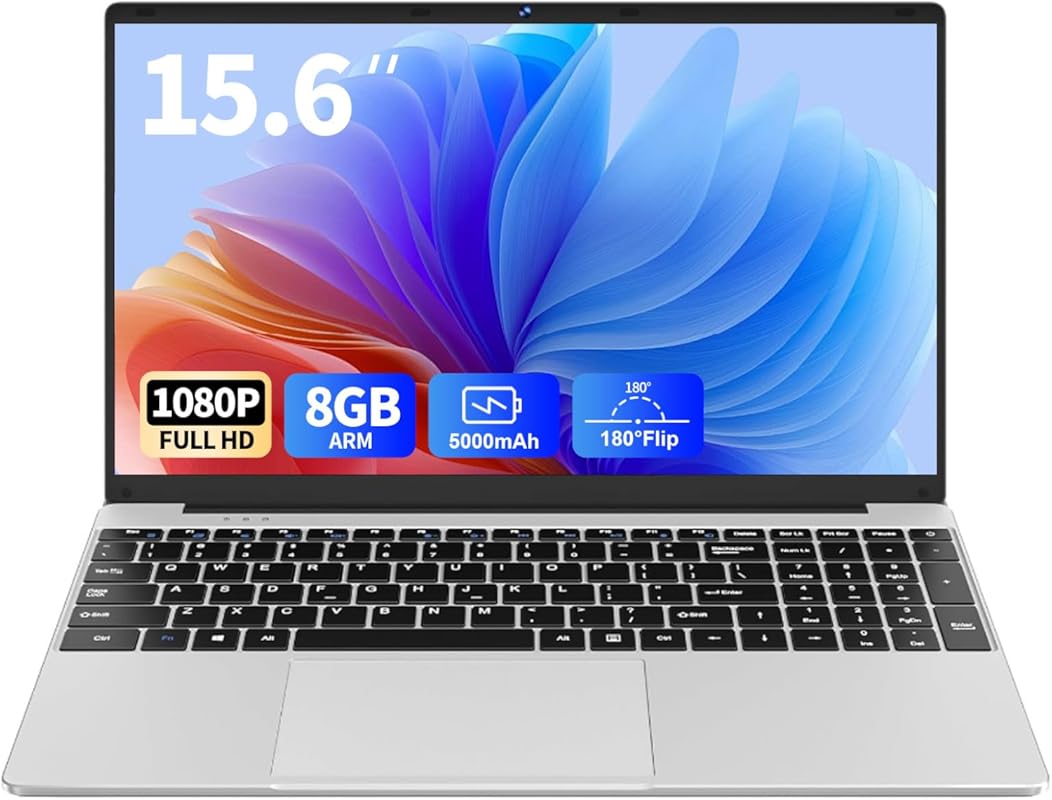
This 15.6-inch laptop runs on Windows 11 and features an Intel Celeron N4000 processor, coupled with 8GB RAM and a 256GB SSD. It’s designed to be a budget-friendly option, perfect for students who need a basic, functional laptop for everyday academic tasks and lighter architectural drafting. The inclusion of a Full HD IPS screen is a notable advantage for visual clarity.
Key Features That Stand Out
- ✓ 15.6” FHD IPS Screen: Delivers sharp, vibrant visuals with a 1920×1080 resolution, great for design viewing.
- ✓ Decent Memory and Storage: Comes with 8GB DDR4 RAM and a 256GB SSD for smooth application loading and file storage.
- ✓ Pre-installed Software: Includes Windows 11 Pro and Office 2024, adding significant value and immediate usability.
- ✓ Reliable Performance: The Intel Celeron N4000 processor handles everyday computing efficiently.
Why We Recommend It
We recommend this 15.6-inch Windows 11 laptop for architecture students who are just starting out or have minimal requirements for heavy rendering, focusing more on basic drafting and academic work. Its FHD IPS screen and pre-installed Office suite provide good value, making it a practical choice for those with a very limited budget. It’s a foundational tool among laptops for architecture students for fundamental tasks.
Best For
This laptop is best for first-year architecture students or those on a strict budget who primarily need a laptop for word processing, presentations, basic 2D CAD drafting, and online learning.
Pros and Cons
Pros:
- Large 15.6-inch Full HD IPS display provides excellent screen real estate and visual quality for the price.
- Includes Windows 11 Pro and Microsoft Office 2024 pre-installed, offering great out-of-the-box value.
- 256GB SSD offers reasonable storage and faster performance compared to traditional hard drives.
- Affordable price point makes it accessible for students on a tight budget.
Cons:
- Intel Celeron N4000 processor is underpowered for complex 3D modeling, rendering, or multi-tasking with demanding architecture software.
- 8GB RAM is the bare minimum for architecture programs and may lead to slowdowns with larger projects.
- Integrated graphics will not be suitable for advanced visualization or rendering tasks.
Customer Reviews
Customer Review: The media could not be loaded.I got this laptop for my niece to use for school, and it’s been working out really well. It came with Windows 11 and Microsoft Office already set up, so she was able to get started right away. It also came well packaged which was a plus.The screen is clear and a good si
Customer Review: I bought this laptop for my son and it has been an excellent choice for his school activities. It comes with Windows 11 and Microsoft Office pre-installed, so he was able to start working right away. The 15.6” Full HD screen has great resolution and clear colors, perfect for online classes and homew
5. HP Chromebook 14″ HD Laptop for Students: Intel Celeron N4120, 4GB RAM, 64GB eMMC.
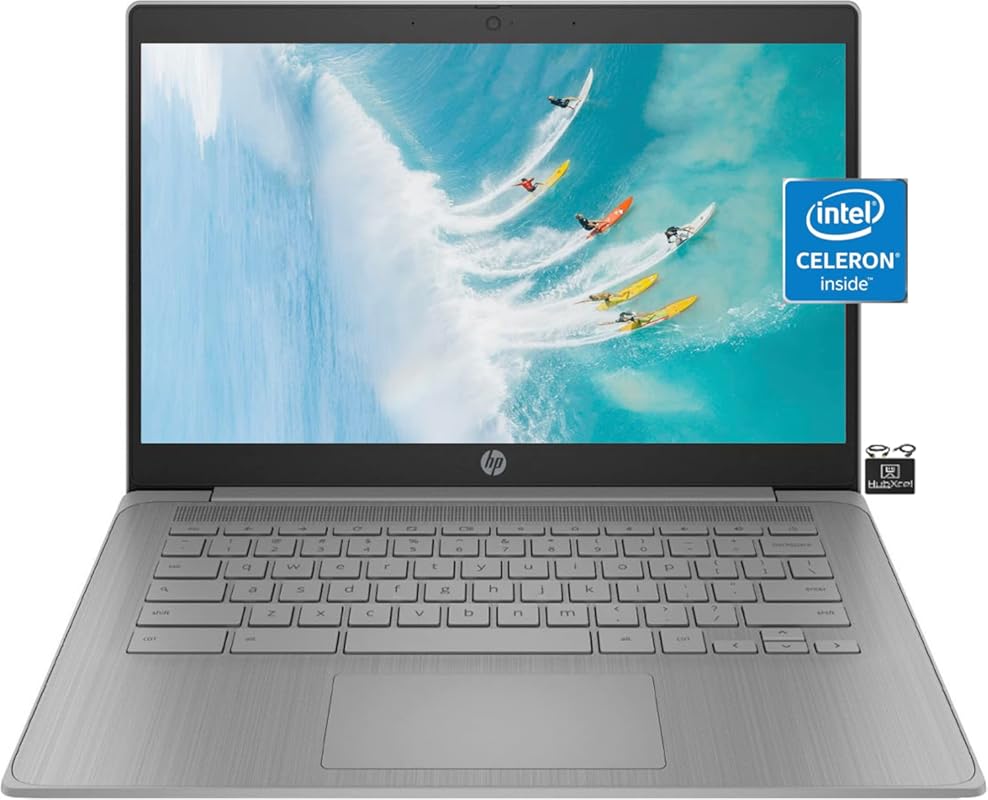
The HP Chromebook 14″ is designed for students seeking an affordable, lightweight, and secure device for web-based tasks and everyday productivity. Powered by an Intel Celeron N4120 processor, 4GB RAM, and 64GB eMMC storage, it leverages the cloud-centric Chrome OS for a fast and hassle-free computing experience. Its anti-glare HD display makes it comfortable for long study sessions.
Key Features That Stand Out
- ✓ Cloud-Optimized Chrome OS: Provides a fast, secure, and user-friendly experience primarily for online applications.
- ✓ Portable 14″ HD Display: Features a micro-edge, anti-glare screen that’s easy on the eyes for extended use.
- ✓ Efficient Intel Celeron N4120: A quad-core processor suitable for browsing, streaming, and light productivity tasks.
- ✓ Lightweight Design: Extremely portable and easy to carry to classes or collaborative work environments.
Why We Recommend It
While not ideal as a primary machine for demanding architectural software, the HP Chromebook 14″ serves as an excellent secondary or highly budget-conscious option for architecture students. It excels at web research, online classes, cloud-based document collaboration, and communication. It can handle all your non-CAD/BIM related academic work efficiently, making it a great companion to a more powerful desktop or for lighter tasks on the go, making it a specific kind of solution for laptops for architecture students.
Best For
This laptop is best for architecture students who need an ultra-budget-friendly, portable secondary device for web browsing, document editing, online research, and cloud-based tasks, not for running native architecture software.
Pros and Cons
Pros:
- Extremely affordable and offers great value for basic academic needs.
- Excellent battery life, typical of Chromebooks, for all-day use without charging.
- Fast boot times and robust security features thanks to Chrome OS.
- Very lightweight and compact, making it incredibly easy to transport.
Cons:
- Chrome OS does not natively support industry-standard architectural software like AutoCAD, Revit, or SketchUp.
- 4GB RAM and 64GB eMMC storage are severely limited for any form of design software or large project files.
- HD (1366 x 768) display resolution is low for detailed architectural drawings and visualizations.
Customer Reviews
Customer Review: This Chromebook has been a lifesaver for my online courses. It boots up instantly and the battery lasts forever. Perfect for taking notes and researching without any distractions.
Customer Review: I needed something super light and inexpensive for quick tasks and this HP Chromebook fits the bill. It’s not for heavy-duty work, but for emails, browsing, and streaming, it’s fantastic. Great for a student’s basic needs.
6. HP Stream 14-inch Windows 11 S Laptop for Students: Celeron N4120, 16GB RAM, 64GB eMMC.
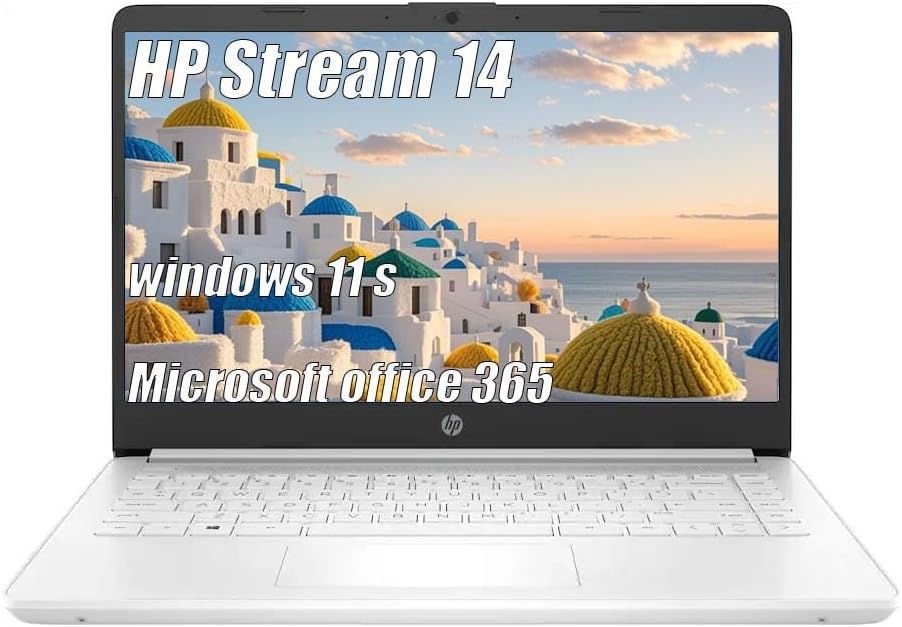
The HP Stream 14-inch laptop is an incredibly budget-friendly option designed for students, offering Windows 11 in S mode for a secure and streamlined experience. Despite its entry-level Celeron N4120 processor, it comes with a surprisingly generous 16GB of RAM, allowing for better multitasking than typical devices in this price range. Its compact form factor and clear HD display make it a suitable choice for everyday academic tasks.
Key Features That Stand Out
- ✓ Windows 11 S Mode: Provides enhanced security and performance by running only Microsoft Store apps, with an option to switch out.
- ✓ Enhanced Multitasking: Features 16GB RAM, which is quite high for a Celeron-based machine, improving responsiveness.
- ✓ Portable 14″ HD Display: A BrightView micro-edge screen offers decent visuals for daily use and online learning.
- ✓ Efficient Celeron Processor: Intel Celeron N4120 provides power efficiency for light productivity and web browsing.
Why We Recommend It
This HP Stream laptop is a strong contender for architecture students who prioritize extreme affordability and portability for general coursework, rather than demanding software. The 16GB RAM is a significant plus for light multitasking, and while the Celeron processor isn’t for heavy lifting, it can manage basic tasks. If you pair this with university computer lab access for intensive software, or primarily use cloud-based tools, it offers a functional Windows experience, carving a niche among laptops for architecture students on a tight budget.
Best For
This laptop is best for architecture students who need an extremely affordable, portable device for basic academic tasks, word processing, presentations, web conferencing, and perhaps as a secondary laptop, with the understanding that heavy architecture software will be challenging.
Pros and Cons
Pros:
- Remarkable 16GB RAM for a laptop in this price category, aiding in basic multitasking.
- Very low price point makes it highly accessible for students on a stringent budget.
- Runs Windows 11 S, which can be switched to full Windows 11 for broader software compatibility.
- Lightweight and compact 14-inch design enhances portability for campus life.
Cons:
- Intel Celeron N4120 processor is significantly underpowered for any serious architecture software like CAD, BIM, or rendering.
- 64GB eMMC storage is very limited, necessitating frequent use of cloud storage or external drives for project files.
- HD (1366 x 768) display resolution is quite low for detailed design work.
- Windows 11 S mode restricts app installations unless manually switched to full Windows 11.
Customer Reviews
Customer Review: It do what we I need it to do for my daughterRead more
Customer Review: It do what we I need it to do for my daughterRead more
Complete Buying Guide for Best Laptops For Architecture Students
Essential Factors We Consider
When searching for the best laptop for architecture students, there are several key specifications that absolutely cannot be overlooked. First, the CPU (Processor) is the brain of your machine. For architecture software, you’ll want at least an Intel Core i5 or AMD Ryzen 5, but Core i7/Ryzen 7 or even i9/Ryzen 9 are ideal for heavy rendering. Next, the GPU (Graphics Processing Unit) is incredibly important for 3D modeling and rendering. A dedicated GPU from NVIDIA (GeForce RTX or Quadro) or AMD (Radeon Pro) with at least 4GB of VRAM (preferably 6GB or more) is highly recommended. Integrated graphics will simply not cut it for advanced software. RAM (Memory) is critical for multitasking and handling large project files; 16GB is a good starting point, but 32GB or more is highly recommended for smooth operation with complex BIM and CAD projects. For Storage, an SSD (Solid State Drive) is non-negotiable for fast boot times and application loading. Aim for at least 512GB, but 1TB or more will give you ample space for all your software, project files, and personal documents. The Display should be at least 15 inches with Full HD (1920×1080) resolution, though QHD or 4K offers more screen real estate and detail. Look for good color accuracy (e.g., 100% sRGB) to ensure your designs look true to life. Finally, Portability and Build Quality matter. You’ll be carrying this laptop around, so a sturdy, yet reasonably lightweight design is crucial. Consider battery life too, as power outlets might not always be available.
Budget Planning
Navigating the world of laptops for architecture students means carefully planning your budget. Entry-level options, typically under $800, might offer decent processors (Core i5/Ryzen 5) and 8GB RAM, but often lack dedicated GPUs and have smaller SSDs (128-256GB). These are suitable for basic drafting and academic tasks but will struggle with intensive 3D modeling and rendering. Mid-range laptops, usually between $800-$1500, hit a sweet spot. They often feature Core i7/Ryzen 7 processors, 16GB RAM, 512GB SSDs, and entry-level dedicated GPUs (like NVIDIA GTX 1650 or RTX 3050). This category provides a good balance of performance and value for most architecture students. Premium options, above $1500, offer top-tier CPUs (Core i9/Ryzen 9), 32GB+ RAM, 1TB+ SSDs, and powerful dedicated GPUs (RTX 3060/4060 or higher). These are built for peak performance, handling the most demanding rendering and simulation tasks with ease. Remember, a laptop is an investment, so consider how long you need it to last through your degree program.
Final Thoughts
Choosing the right laptop is a personal decision that balances your academic needs, workflow, and budget. Don’t feel pressured to buy the most expensive machine if your coursework doesn’t demand it, especially in the early years. However, understand that a more powerful machine will offer greater longevity and smoother performance as your projects become more complex. Always prioritize a strong CPU, sufficient RAM, and a dedicated GPU for architectural software. A good display and ample SSD storage will significantly enhance your user experience. Take your time, compare options, and read reviews to ensure you make an informed decision that supports your journey to becoming a successful architect.
Frequently Asked Questions
Q: What are the minimum specs for an architecture student laptop?
A: For architecture students, we recommend a minimum of an Intel Core i5 or AMD Ryzen 5 processor, 16GB of RAM, a 512GB SSD, and preferably a dedicated GPU with at least 4GB of VRAM (like an NVIDIA GTX 1650 or RTX 3050). Anything less than this will likely struggle with modern architectural software.
Q: Do I need a dedicated GPU for architecture software?
A: Yes, absolutely. For 3D modeling, rendering, and working with complex BIM software, a dedicated GPU is essential. Integrated graphics will severely limit your performance and ability to smoothly navigate and render complex models in applications like Revit, SketchUp, Lumion, or Enscape.
Q: Is a Mac or Windows laptop better for architecture?
A: Most industry-standard architectural software (AutoCAD, Revit, 3ds Max, V-Ray, etc.) is primarily developed for and optimized on Windows. While some tools like SketchUp, Rhino, and Adobe Creative Suite are available on Mac, if your curriculum heavily relies on Windows-only applications, a Windows laptop is generally the more compatible and practical choice for architecture students.
Q: How much storage do I need?
A: Architecture project files can be very large, especially 3D models and rendering outputs. A minimum of a 512GB SSD is recommended, but 1TB or more is ideal. This allows ample space for your operating system, all necessary software, and multiple large projects without constantly worrying about running out of space.
Q: What is the ideal screen size for architecture work?
A: A 15.6-inch display is generally considered the sweet spot for portability and screen real estate for architecture students. If portability is less of a concern, a 17-inch laptop can offer an even more immersive workspace. Regardless of size, aim for a Full HD (1920×1080) resolution or higher for detailed design work.
Finding the best laptop for architecture students can feel like a daunting task, but by focusing on the right specifications, you can equip yourself with a powerful tool that will support you throughout your academic journey and beyond. Whether you opt for a budget-friendly option for early studies or invest in a high-performance machine for advanced rendering, prioritize a strong processor, ample RAM, a dedicated GPU, and fast SSD storage. We hope this guide has illuminated your path, helping you confidently select a laptop that meets your unique needs as an aspiring architect. Don’t hesitate to revisit our top picks and their detailed reviews to make your final decision. Ready to build your digital foundation? Click on the links above to explore the best laptops and find the perfect match for your architectural ambitions on Amazon today!